Advertisements
Auxílio Brasil: Discover How R$15MIL Will Compensate 4 Million Individuals.
The recent court ruling concerning the payment of compensation related to the data leak from the Auxílio Brasil social program is highly significant for millions of Brazilians. This article aims to clarify the details of this case and guide beneficiaries on how to check whether they are on the list of those who will receive the R$15,000 compensation. A total of nearly 4 million people is expected to receive this compensation.
What Does Auxílio Brasil Represent?
The Brazilian Federal Government created Auxílio Brasil, a social program, to assist families in situations of social and economic vulnerability. However, this benefit became the focus of extensive controversy due to the leak of personal data belonging to approximately four million of its beneficiaries.
Data Exposure and Its Effects
The personal information of beneficiaries of the Auxílio Brasil program was improperly exposed, including details such as full name, identity card, CPF, proof of residence, NIS number, SUS number, and more. This exposure led to a recent court decision stipulating that Caixa Econômica Federal and other federal entities must compensate these individuals with an indemnity of R$15,000 per affected person.
Court Decision and Duty of the Entities Involved
The court decision ordered Caixa Econômica Federal, the Federal Government and Dataprev to pay R$15,000 per person for moral damages. The judge handling the case emphasized these entities’ obligation to protect citizens’ data.
Compensation Mechanism
Even with the court judgment issued, the methodology for making the compensation payments remains uncertain. However, the judge imposed a daily fine of R$10,000 if [the entities] fail to comply with the order. Caixa Econômica, Dataprev and the Federal Government have already appealed the decision, and the case may eventually go to the Federal Supreme Court (STF) for a final ruling.
Impact of the Data Exposure
The leak of personal data represents a serious violation, capable of threatening the security and privacy of the individuals affected. In addition to moral damages, this situation may lead to financial repercussions and, potentially, crimes such as fraud and identity theft.
Personal Data Protection
To prevent such incidents from recurring in the future, it is crucial for people to become aware of the importance of safeguarding their personal data and to adopt measures to protect their information.
The Need for Information Security
Maintaining robust information security strategies, investing in technologies and processes that can preserve citizens' personal information, is vital for government entities and private corporations that process data.
How Can I Check Whether I Am on the Compensation List?
Beneficiaries of Auxílio Brasil who were affected must remain vigilant regarding official communications on the matter and take action to protect their personal information. It is vital that each affected person carefully follows the progress of the compensation process and seeks proper legal advice to ensure their rights. Keep reading to learn more.
How Can I Confirm Whether My Data Was Leaked and Will I Receive R$15MIL?
Although [the responsible entities] have attached evidence of the data leak to the case, the General Data Protection Law (LGPD) does not currently allow public access to it. However, the judge ordered Caixa Econômica Federal and the Federal Government to send letters to all beneficiaries whose data was exposed, alerting them about the incident. Therefore, if the decision stands, beneficiaries with exposed data will receive notifications at the end of the proceedings.
What Happened to Auxílio Brasil?
During Jair Bolsonaro’s government, information about the exposure of the data of approximately 3.7 million beneficiaries of the Auxílio Brasil program became public. The disclosure of this data led companies to misuse the information to offer financial services and products, such as payroll-deducted loans. Furthermore, allegations stated that the leaked data benefited Bolsonaro in the elections.
What Data Was Revealed?
As reported by Victor Hugo Pereira Gonçalves, president of Instituto Sigilo, the revealed data included information about addresses, cellphone numbers, dates of birth, the amount of the benefit received, NIS (Social Identification Number), and data related to beneficiaries’ records in the SUS (Unified Health System), such as CadSUS. This information referred to 20% of the beneficiaries of the Auxílio Brasil program in 2021.
Caixa Econômica Federal’s Response
In response to the leak, Caixa Econômica Federal, which managed the Auxílio Brasil program at the time, stated that it would challenge the court decision. It also stated that, in a preliminary analysis, it had not identified any data leak for which it was responsible and that it maintains an appropriate infrastructure to ensure the integrity of its database and the security of the Cadastro Único systems, in compliance with the principles of the LGPD.
The Compensation
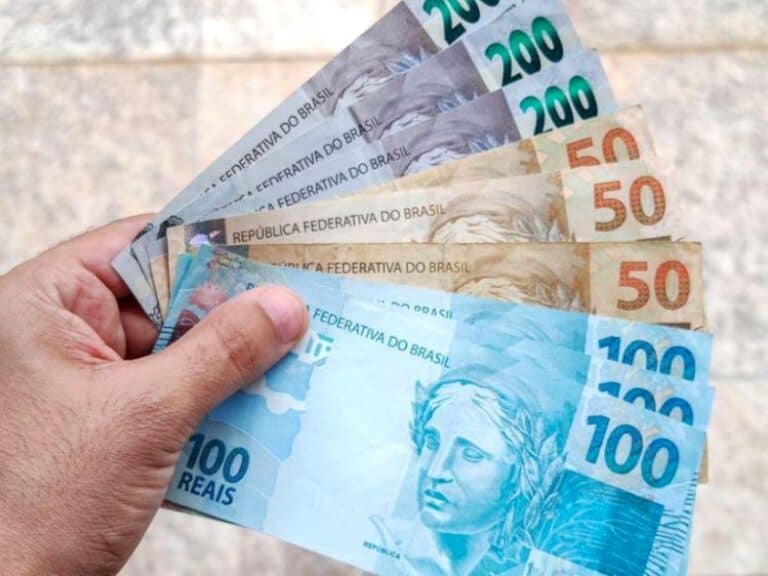
If the court decision stands, each beneficiary whose data was exposed will receive compensation of R$ 15,000, totaling an amount that could exceed R$ 56 billion.
Read also:Increase in the amount of the 5th Income Tax refund batch available on September 29.
The disclosure of personal data is a serious matter, especially when it affects a government program aimed at supporting the most disadvantaged. If you participate in Auxílio Brasil, it is crucial to stay informed about this situation and take the necessary precautions to safeguard your information. Remain vigilant for any notifications regarding the disclosure of your data and, as necessary, seek legal advice.
Unfortunately, for now, there is no way to check whether your name is on the list of beneficiaries who will receive the R$15,000 compensation; for the time being, the procedure is to wait for the legal proceedings to unfold and, if the initial decision stands, the “beneficiaries” will receive a notification from Caixa at their residences.