Advertisements
The Social Integration Program (PIS) is one of the pillars of the worker protection system in Brazil. Created to promote the integration of employees into the life and development of companies, PIS also offers important benefits, such as the salary bonus.
With the arrival of 2024, many workers are questioning whether they are entitled to this benefit, especially those who were active in the previous year, as highlighted by the article published by Exame.
Who is entitled to the salary bonus in 2024?
The salary bonus is a right guaranteed to workers who meet certain criteria established by Brazilian legislation.
Therefore, for 2024, those workers who were employed in the previous year, that is, in 2023, may be entitled to receive the PIS salary bonus.
It is important to note that in addition to having worked in the base year, beneficiaries must meet other requirements, such as having received an average monthly remuneration of up to two minimum wages, among other criteria established by the program.
How is the salary bonus amount calculated?
The amount of the salary bonus depends on the beneficiary's length of employment in the base year. However, the calculation of the amount considers the months worked in the previous year.
In addition, the more months the worker was employed in 2023, the higher the amount of the bonus will be in 2024.
PIS: How and where to withdraw the salary bonus?
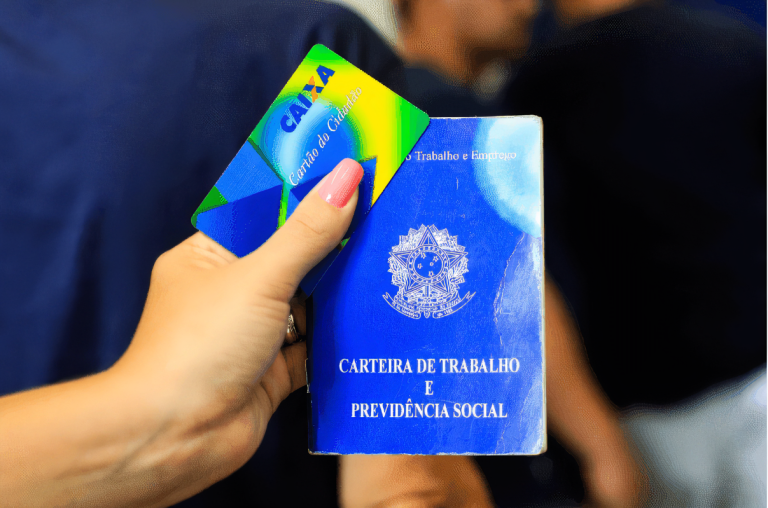
Workers can withdraw the salary bonus at Caixa, Caixa Aqui correspondents, and lottery outlets, using the Citizen Card and a photo ID.
In addition, beneficiaries who have an account with Caixa have the salary bonus deposited directly into their account, facilitating access to the benefit.
PIS salary bonus
The PIS salary bonus is an important resource for Brazilian workers, providing an income supplement that can make a difference in their lives.
However, in 2024, it is essential that workers from 2023 know about and know how to claim their right to the PIS benefit.
Through this program, the government seeks to promote the inclusion and development of workers, contributing to greater equity and social well-being.
Image: Internet reproduction.