Advertisements
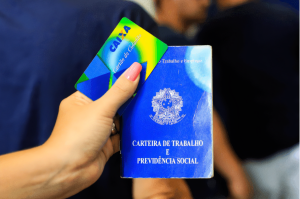
Recently, the announcement of the new minimum wage of R$1,412 has been a topic of great interest and discussion among Brazilians. This increase reflects not only an economic change but also a significant impact on the lives of millions of workers. The wage adjustment is a measure that seeks to keep pace with economic variations, such as inflation, and ensure more stable purchasing power for the population.
The adjustment to R$1,412 represents an increase compared to the previous amount, bringing hope for improved living conditions for many. This increase is calculated based on specific economic factors, aiming to preserve the wage’s purchasing power. For workers who earn the minimum wage, this increase means financial relief, especially in a scenario of rising prices and living costs.
See More: Pix scam: how to protect yourself this holiday season?
Impact of the new minimum wage on the economy
The new minimum wage of R$1,412 has a significant impact on the Brazilian economy. It directly influences workers’ purchasing power and, consequently, domestic consumption. A higher minimum wage can stimulate savings, increasing demand for products and services. On the other hand, companies and employers need to adjust their payrolls to accommodate the new amount, which may have implications for operating costs and final prices.
What changes for workers
For workers who receive the minimum wage, the increase to R$1,412 represents a significant change. This adjustment may provide relief from daily expenses and improve quality of life. In addition, the new wage amount also affects the calculation of overtime, vacation pay, and the 13th salary. It is important for workers to be aware of these changes and understand how they affect their earnings and rights.
The new minimum wage of R$1,412 is a reality that brings both challenges and opportunities. It represents an important step toward better living conditions for workers and plays a crucial role in the country's economic dynamics.