Advertisements
Choosing a bank that meets specific needs can be challenging. This is because the lower-income class often faces barriers to accessing traditional financial services. Financial inclusion is more than just having a bank account. Therefore, users need access to services that are affordable, understandable and, above all, useful in everyday life.
In this context, some banks have stood out by offering services adapted to the needs of the lower-income class, including residents of communities and favelas, where access to conventional banking services is often limited.
Choosing the right bank can make a big difference. Services such as free account opening, low fees, easy access via mobile apps and support adapted to local needs are essential. In addition, financial education programs and the availability of microcredit are valuable resources that help promote financial independence and economic development. Let's explore which institutions stand out in this segment and why.
See More: How to avoid scams when shopping?
Bank that stands out in financial inclusion
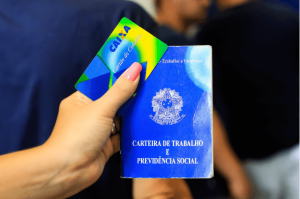
Among the banks that have gained the trust of the lower-income population, three stand out: Banco do Brasil, Caixa Econômica Federal and Bradesco. These institutions have in common the provision of accessible services and a presence in areas underserved by traditional banks. The Banco do Brasil, for example, offers the “BB Cidadania” program, which aims to promote financial inclusion through basic banking services and financial education. Caixa Econômica Federal is known for administering social programs and offering accounts and services with reduced fees. Bradesco, through the “Bradesco Expresso” program, brings banking services to remote regions, operating in partnership with local businesses.
Banking services adapted to local needs
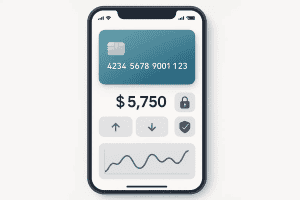
In addition to offering essential services, it is important for banks to understand and respect the cultural and social particularities of each community. This includes having local representatives who understand residents’ reality and can provide personalized service. Technology also plays a crucial role, with banking apps that allow transactions and balance inquiries to be carried out quickly and securely, without the need to travel to a branch. In addition, microcredit programs can boost small businesses, fostering the local economy and creating new employment and income opportunities.
Choosing the right bank is a decision that can significantly impact a person's financial life. For the lower-income class, it is crucial that this choice takes into account not only rates and fees, but also accessibility, an understanding of local needs, and support for the community's economic development. Banks such as Banco do Brasil, Caixa Econômica Federal, and Bradesco have shown that it is possible to combine accessible financial services with initiatives that promote inclusion and social development. By choosing one of these banks, customers are not only choosing a financial institution, but also a partner committed to their well-being and economic progress.