Advertisements
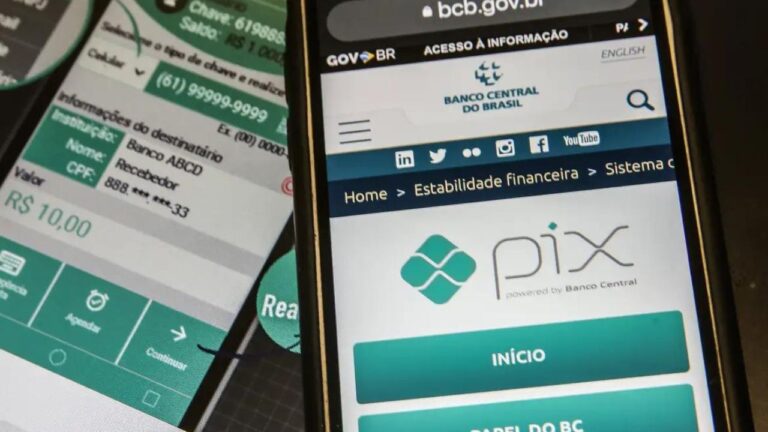
Recently, the Central Bank of Brazil made an announcement that generated a great deal of discussion: the taxation of transactions via Pix. This news surprised many Brazilians, who are accustomed to the free and efficient nature of Pix in their daily financial transactions. Since its launch, the system has revolutionized the way we handle transfers and payments, offering a fast and cost-free alternative. However, with the new announcement, questions arise about how this taxation will affect commercial and personal transactions. Let us explore the implications of this change and understand who will be affected by the taxation of payments.
The Central Bank clarified that Pix taxation will not be applied uniformly to all transactions. The change will primarily affect commercial transactions that use a CNPJ as a payment method. This means that personal transactions, made via CPF, will not be affected by this new measure. Thus, the decision to tax payments aims to increase Central Bank revenue, considering the popularity and extensive use of the service, which has already surpassed credit cards and cash.
See More: Applications are open for the Petrobras competition. Learn more
How will Pix taxation work?
Pix taxation will be applied exclusively to commercial transactions. This means that personal transfers, made through the CPF, will remain exempt from fees. Situations that will lead to the Central Bank charging fees include receiving funds in a business account, transfers via QR Code or dynamic QR Code, and transfers using any key after the 31st Pix transaction in the month. Therefore, it is crucial for companies to keep a record of these conditions and monitor the number of monthly transactions to avoid unwanted fees.
Impact on commercial transactions
For businesses, this new Pix tax represents an additional challenge. Many businesses have adopted Pix as their main form of payment due to its efficiency and speed. Therefore, with the introduction of fees, companies will need to reassess their operating costs and the pricing of products and services. In addition, it will be necessary to implement stricter management of commercial transactions via Pix to maintain profitability and avoid additional fees.
The Central Bank's announcement about taxing Pix brings significant changes to the Brazilian financial landscape. While personal transactions remain exempt from fees, companies that rely on Pix for commercial transactions will need to adapt to this new reality. Understanding the conditions that lead to taxation and implementing efficient strategies will be essential to minimize the impacts of this decision.