Advertisements
Recently, a significant agreement in the app-based transportation sector advanced, bringing important changes for drivers. This agreement establishes a minimum wage for app-based drivers, guaranteeing an amount of R$ 30 per hour actually worked. It is important to note that this calculation considers only the hours during which the driver is actively completing rides, excluding waiting periods in the app.
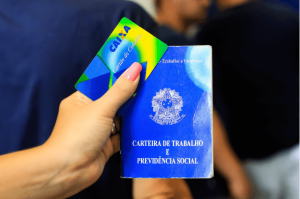
This measure represents a significant step forward in regulating the work of app-based drivers, offering greater financial security and recognition of their working time. In addition to minimum compensation, the agreement also addresses drivers’ social security contributions.
See More: Check the Bolsa Família payment schedule for 2024
Impact of the agreement on drivers
This agreement is a milestone for app-based drivers app, as it guarantees a minimum remuneration per hour worked, providing a more stable financial foundation. In addition, including drivers in the social security system represents an important step toward formalizing and recognizing this group of workers. With these changes, drivers can expect greater job security, knowing that their time and effort are being fairly valued.
Legal Challenges and Future Minimum Wage Regulations
Despite the progress, legal challenges still lie ahead. The main one is finding a legal solution that provides security for this work model, ensuring that drivers can enjoy the agreed-upon benefits without facing legal threats. The government plans to submit a bill to Congress by December 20 to address these issues. In addition, it is important to consider adjusting the minimum remuneration based on wage policy, ensuring that drivers are fairly compensated over time.
The agreement that establishes minimum compensation for app-based drivers is a significant step toward improving working conditions in this sector. It not only guarantees fair pay for each hour worked, but also includes drivers in the social security system, offering them protection and security. While legal challenges still lie ahead, this agreement is a clear indication of progress and a more promising future for app-based drivers in Brazil.