Advertisements
A recent analysis by Febraban reveals an increase in the willingness to join the Desenrola Brasil program. Find out more about it!
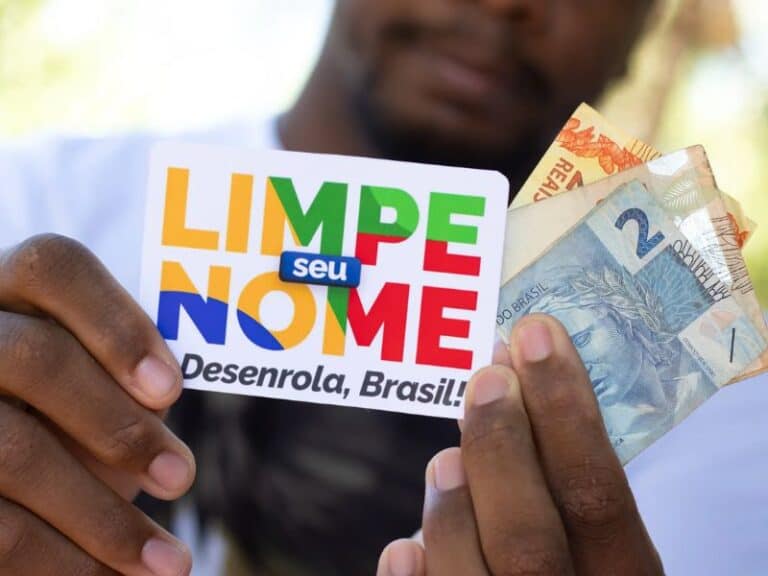
Desenrola Brasil, a Federal Government proposal for debt renegotiation, emerged this year with the aim of combating the growing default rate among Brazilian citizens. For context, Serasa data from July indicated that more than 71 million Brazilians were in debt.
Through this program, debtors can negotiate more favorable terms with the banks involved. In this context, according to the September Radar Febraban survey, approximately 73% of Brazilians expressed interest in or had already joined the program.
Read also: Desenrola Brasil: Surprising New Phase with Immediate Responses
Initially, Desenrola focused on individuals with incomes between R$ 2,640 and R$ 20 thousand who had bank debts. However, in the following weeks, the initiative will include those with incomes of up to two minimum wages and registered with the Cadastro Único.
Engagement with Desenrola
The study revealed that willingness to join Desenrola varies according to age, income, level of education, and location. Check out the most relevant points.
Join our exclusive group on Whatsapp or Telegram now, or explore our communities.
- Age: Of those surveyed, 80% between 25 and 44 years old expressed interest or have already joined;
- Education: 75% of those who completed high school showed interest or are already participants;
- Household income: 77% of those earning up to two minimum wages want to benefit from the program;
- Region/location: In the Northern region, 82% of respondents showed interest.
Thus, considering the income bracket, families earning up to two minimum wages (R$ 2,640) will soon have the chance to benefit in this second stage of the project.
Growing recognition of the program
Read also: Desenrola in Action: Banks Settle Debts Totaling R$ 13 Billion.
The Radar Febraban survey also shows growing recognition of Desenrola Brasil among Brazilians. According to the data, between June and September, the percentage of those familiar with the project jumped from 45% to 70%.
From this perspective, some groups recorded figures below 70%: women (68%), younger people (54%), individuals with elementary education (66%), and those with an income of up to two minimum wages (65%).