Advertisements
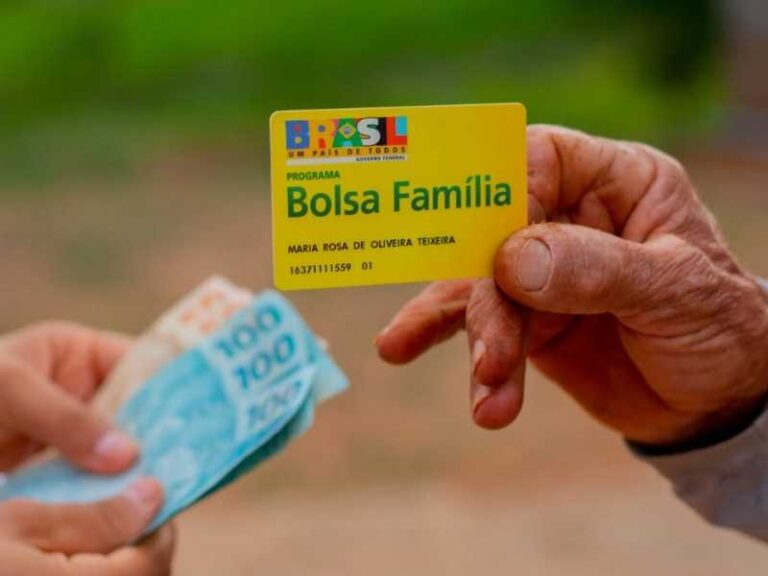
The Bolsa Família represents an initiative of the Brazilian government aimed at eradicating hunger and poverty in the country. Launched in 2003, this project has already provided millions of vulnerable households with access to resources to meet their essential needs.
In this text, we will discuss how Bolsa Família works, its crucial role in reducing inequality, and its connection to the Brazil Without Hunger project.
What does Bolsa Família represent?
Read also: Check whether you were approved for Bolsa Família 2023. Learn how to check.
The Bolsa Família operates as a conditional cash transfer program. In other words, families that benefit from it receive an amount every month, provided that they meet certain conditions defined by the government. These conditions include young people's regular school attendance, compliance with the vaccination schedule, and monitoring prenatal appointments and baby care.
The monetary assistance varies according to the family's size and per capita income. Those most in need receive more, while those in extreme poverty receive a supplement. Bolsa Família serves as support, not intending to replace family income, but to ensure assistance for vital needs.
The relevance of Bolsa Família in mitigating inequality
The Bolsa Família plays a vital role in reducing inequality in Brazil. By ensuring a minimum income for vulnerable households, the initiative helps combat poverty and malnutrition. Furthermore, Bolsa Família also has a positive impact on education and health.
By encouraging school attendance, the program helps reduce dropout rates and expand access to education. This indicates that more young people have opportunities to improve their skills and future prospects.
In the area of health, the Bolsa Família encourages compliance with medical appointments and vaccinations, promoting prevention and well-being for beneficiaries. In addition, the initiative supports maternal health monitoring through prenatal appointments.
Brazil Without Hunger: An innovation in the fight against malnutrition
Brazil Without Hunger emerges as a strategy of the Brazilian government to eliminate hunger in the country by 2030, in line with UN goals. This strategy integrates 32 programs, including Bolsa Família, aiming to enhance income transfers and stimulate the economy.
Divided into three main pillars – access to income and promotion of citizenship; food security; and mobilization against hunger – Brasil Sem Fome outlines specific actions to achieve its objectives.
Under the income access pillar, the Bolsa Família plays a central role. In addition, other actions such as encouraging minimum wage increases and vocational training are essential to ensure income and reduce poverty.
In the area of food security, the strategy encourages healthy eating at every stage, from production to consumption. Family farming policies, combating waste, and school meals are vital to food security.
Under the hunger eradication pillar, strengthening the National Food and Nutrition Security System (Sisan) and cooperation among states, municipalities, and organizations are crucial for a network of actions aimed at eliminating hunger.
Read also: Bolsa Família Withdrawal Without Documents Shocks Brazilians
Bolsa Família achievements and challenges ahead
Recognized worldwide, the Benefit has proven effective in reducing poverty and inequality in Brazil. According to government data, from 2002 to 2013, undernourishment decreased by 82%, allowing Brazil to leave the UN Hunger Map in 2014.
Nevertheless, challenges persist. Brazil still faces high rates of poverty and inequality, aggravated by the Covid-19 pandemic. Reports indicate that approximately 33.1 million Brazilians face food insecurity.
Therefore, it is crucial to strengthen and expand programs such as Bolsa Família and Brasil Sem Fome. Investing in income transfers and actions that promote food and nutritional security is imperative, as is ensuring access to essential services such as education and healthcare.
In summary, the Benefit is fundamental in combating hunger and poverty in Brazil. Its partnership with the Brasil Sem Fome program is a significant milestone in achieving social equity and hunger eradication goals. However, it is essential to strengthen and expand such programs, aiming for a prosperous future for all Brazilian families.