Advertisements
The Federal Government recently released a statement offering substantial advantages to Brazilians participating in the Bolsa Família and Continuous Benefit (BPC) social programs.
Explore the NEW BENEFIT for Bolsa Família and BPC enrollees
These programs have played a vital role in supporting low-income populations, aiming to break the cycle of poverty between generations. Currently, a significant change to the Minha Casa, Minha Vida housing program ensures that these beneficiaries’ financial burden will be reduced even further.
Read also: BOLSA FAMÍLIA: Documentation Required for Registration with CRAS!
Bolsa Família and BPC: pillars of social support
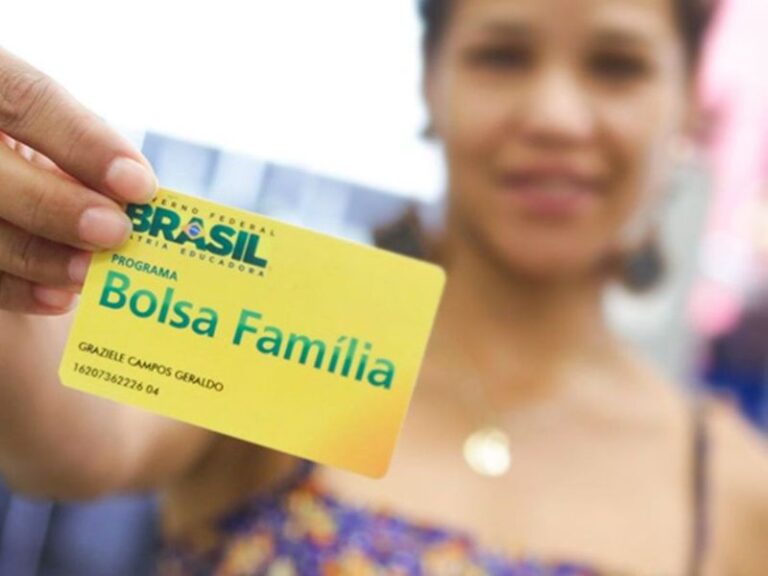
Bolsa Família was created to provide conditional monthly transfers in the areas of health, income, and education to families in vulnerable situations. Thus, this program, managed by Caixa Econômica Federal, has represented a vital source of support for millions of Brazilian families.
On the other hand, the Continuous Cash Benefit (BPC), administered by the National Institute of Social Security (INSS), is intended for people over 65 and people with disabilities of all ages. To qualify for this benefit, it is essential to prove the inability to provide for one’s own livelihood and to be duly registered with the Single Registry for Social Programs (CadÚnico).
Reform of the Minha Casa Minha Vida program
Recently, the federal government announced spectacular news for those enrolled in Bolsa Família and BPC related to the Minha Casa, Minha Vida housing program. This update represents a solid promise of an improvement in the quality of life of these groups.
Thus, the government announced that beneficiaries of these programs are now exempt from paying the installments of Minha Casa, Minha Vida. In other words, a considerable part of the financial burden has been removed from the shoulders of these beneficiaries.
Details of the change
The government determination, recently announced, established that the federal government will be responsible for 95% of the property's total value under the Minha Casa, Minha Vida program for Bolsa Família and BPC beneficiaries.
Thus, this modification, which had been under consideration since the beginning of the year, was examined by the Ministry of Cities, responsible for administering the housing program. The outcome is that beneficiaries will need to pay only 5% of the total value, making the purchase of their own home substantially more accessible.
However, it is essential to note that this new guideline applies to beneficiaries already enrolled in the program, demonstrating the government's commitment to reducing the financial burden on these low-income families. Furthermore, the government is working to implement changes that will also benefit future participants in these social programs.
Reinstating Minha Casa Minha Vida
At the beginning of this year, President Luiz Inácio Lula da Silva reinstated the Minha Casa Minha Vida program. Thus, this reactivation brought optimism to many Brazilians who longed for the chance to own their own home.
Read also: Can Bolsa Família Beneficiaries Receive a Full Exemption on Minha Casa, Minha Vida?
With the program's revitalization, several changes are being made to make it more inclusive and beneficial for those who need it most. In short, waiving installment payments for Bolsa Família and BPC beneficiaries is just one example of the improvements being implemented.
Social advances
Certainly, the announcement of the waiver of Minha Casa, Minha Vida installment payments for those enrolled in Bolsa Família and BPC marks a significant point in the federal government's commitment to supporting the low-income population. Since this update will provide much-needed financial relief to families that struggle daily to meet their basic needs.
As the Minha Casa, Minha Vida program undergoes changes and improvements under the current administration, hope for a more promising future emerges for those pursuing the dream of owning their own home. In short, this highlights the importance of social programs and the government's duty to create opportunities for all Brazilians, regardless of their economic situation.