Advertisements
The Lei Seca checkpoint is an enforcement operation aimed at ensuring safety on roads and urban streets. This initiative, widely implemented throughout Brazil, has the primary objective of preventing the dangerous combination of alcohol and driving. Thus, during these operations, traffic agents conduct random stops to check whether drivers are driving under the influence of alcohol. The effectiveness of this measure is reflected in the significant reduction in traffic accidents and deaths, reinforcing the importance of responsible and mindful driving.
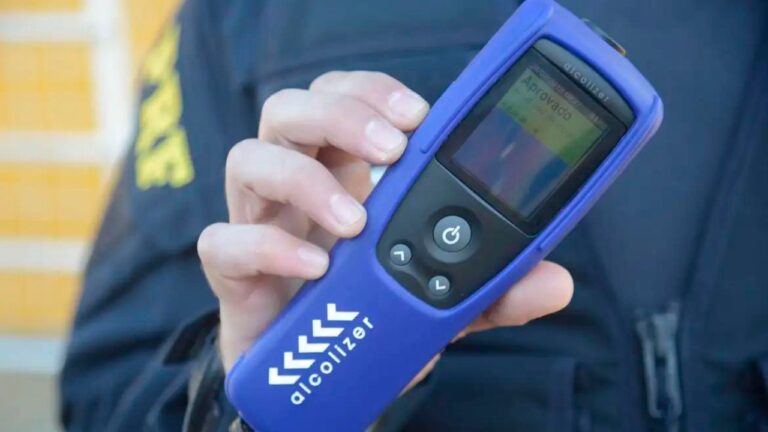
The standard procedure at a Lei Seca checkpoint involves stopping the vehicle and requesting documents from both the driver and the vehicle. Next, officers invite the driver to take a breathalyzer test. This test is crucial for determining the presence of alcohol in the driver's system. Refusing to take the test can lead to serious consequences, including fines and suspension of the right to drive.
See More: Clash of the giants, Nubank versus C6 Bank—which is better?
Breathalyzer test and consequences of refusal
The breathalyzer breathalyzer is a key moment in the Drunk Driving Crackdown. It measures the concentration of alcohol in the air exhaled from the lungs, providing an immediate result. Therefore, if the test indicates any level of alcohol above the legally permitted limit, the driver will face severe penalties. These include a fine, points on the driver’s license, and the possibility of detention, depending on the level of alcohol detected. Refusing to blow into the breathalyzer also has consequences, such as a fine and suspension of the right to drive.
Importance of awareness and responsibility regarding the drunk driving law
In addition to legal penalties, the Drunk Driving Crackdown plays a crucial role in raising awareness about the dangers of driving after consuming alcohol. Thus, it reinforces the message that road safety is a shared responsibility. Drivers should always choose safe alternatives, such as taxis or ride-hailing apps, if they consume alcoholic beverages. Awareness and individual responsibility are essential to ensuring safer roads for everyone.
The sobriety checkpoint is therefore an essential tool in preventing alcohol-related traffic accidents. It saves lives and promotes a safer and more responsible driving culture.