Advertisements
INSS requires individuals to make contributions to secure their retirement, but what happens if there are no contributions?
Everyone must make contributions to the National Institute of Social Security (INSS) throughout their lives to receive a retirement pension. Therefore, many non-contributors wonder about their future retirement.
It should be emphasized that Social Security does not offer only social security benefits, but also assistance benefits. One example is the Continuous Cash Benefit (BPC), regulated by the Organic Law on Social Assistance (LOAS).
However, although the BPC/LOAS provides a minimum wage to elderly people and people with disabilities of any age, it is not a retirement pension. You will understand how this assistance benefit works throughout this text.
How does the BPC work in practice?
As briefly mentioned, this benefit is intended for elderly people aged 65 and over and people with disabilities of any age. However, they must prove that they are unable to earn their own income.
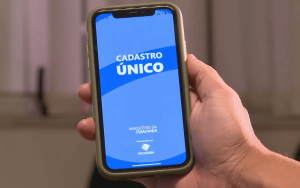
In this regard, per capita income cannot exceed ¼ of the minimum wage, that is, R$ 330. Vulnerability is proven through the Single Registry (CadÚnico). In the case of people with disabilities, in addition to proving their income, it is necessary to demonstrate their condition.
Before the benefit is granted, a social interview is conducted and, afterward, if the applicant meets the rules, they will receive the minimum wage amount. Since BPC is not a retirement benefit, it does not provide a survivor’s pension and does not pay the INSS 13th salary.
BPC is not forever
For the same reason, BPC is also not lifelong. If the social security agency identifies that the citizen is receiving it improperly, it will suspend the benefit. To avoid this, the beneficiary must continue demonstrating their eligibility for the benefit to the INSS.
Therefore, the beneficiary must update their CadÚnico registration every two years so that the government can confirm that they remain within the stipulated income bracket. In addition, people with disabilities must undergo a medical examination by the agency every two years.