Advertisements
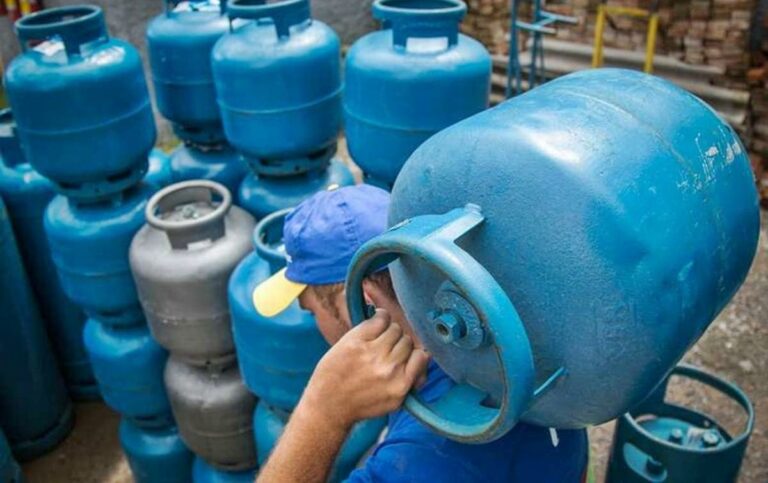
In recent years, the rising price of cooking gas has become a concern for many families across Brazil. This situation led the government to implement Auxílio Gás, a measure that seeks to ease the financial impact of this essential expense for low-income people. In this article, we will explore the main aspects of this program and discuss its importance in promoting food security and relieving household budgets.
What is Auxílio Gás?
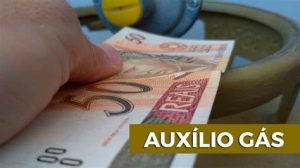
Auxílio Gás is a public policy integrated by the federal government income that aims to provide financial credit for low-income families to purchase cooking gas. It is granted through a magnetic card, which allows the purchase of a gas cylinder at a reduced price.
Who is entitled to Auxílio Gás?
The program is aimed at families registered in the Single Registry for Social Programs (CadÚnico) who meet the income criteria established by the government. Generally, families with a per capita income of half the minimum wage or a total income of up to three minimum wages are eligible. However, it is important to check the program’s specific requirements, as they may vary over time.
Social and economic impact:
Auxílio Gás has a significant impact on the lives of low-income families by ensuring access to an essential resource for preparing food. Cooking gas is fundamental to food security and people’s quality of life, providing greater convenience and hygiene when preparing meals.
In addition, the program also has a positive economic impact by freeing up part of the family budget that would otherwise be allocated to purchasing cooking gas. These resources can be redirected to other basic expenses, such as food, education, and healthcare, contributing to improving the quality of life of the beneficiary families.
Challenges and prospects:
Despite the benefits provided by Auxílio Gás, there are challenges to be faced. One of them is ensuring that the program covers all families that truly need it, avoiding exclusions and guaranteeing equal access. In addition, it is essential to invest in policies that encourage energy efficiency and the diversification of energy sources to reduce dependence on cooking gas and mitigate environmental impacts.
Another important perspective is investing in education and professional training to promote income, social inclusion, and improved living conditions for low-income families. These actions can contribute to income generation and reduce dependence on assistance programs, such as Auxílio Gás.
Conclusion:
Auxílio Gás plays a fundamental role in alleviating the financial impact of the price of cooking gas