Advertisements
This Saturday (28), the Belo Horizonte city government will carry out an initiative so that people can update their CadÚnico data. Thus, the initiative was called Bolsa Família Day D and the Single Registry.
In addition to updating registration data, new families can also go to the location to register for the social program. See below for all the details of this initiative, which will take place in the capital of Minas Gerais.
About the CadÚnico initiative
According to José Crus, deputy secretary and undersecretary of Social Assistance, the city currently has 45 service locations for updating CadÚnico data. These offices operate daily, but the idea of Day D is for families to be able to plan ahead so they can participate.
In addition, according to him, the initiative will also focus on combating fake news related to the subject by clarifying the population's questions.
Success is expected from the action, since more than 60,000 families in Belo Horizonte need to update their CadÚnico data. Of this number, more than 37,000 have already been called by the city government for the 2023 Registration Review and urgently need to update their information, or they will risk losing the benefit.
CadÚnico Campaigns
Belo Horizonte is not the only city that will hold an action for people to update their registration data. This is because throughout the month of October, other Brazilian regions held community drives updating campaigns.
Thus, just like the action in BH, the idea is for families to have time to plan and bring all the necessary documents with them and clarify any questions. It is important to keep CadÚnico data up to date, since it is the system that provides access to all federal government social benefits.
What data is stored in the system?
It is important to emphasize that the data is stored for one purpose only: to identify which families need social assistance. Therefore, CadÚnico stores the following family data:
- Household information;
- Income;
- Education level;
- Possible disabilities;
- Data such as belonging to Traditional and Specific Population Groups;
- Monthly expenses;
- Personal data of each member.
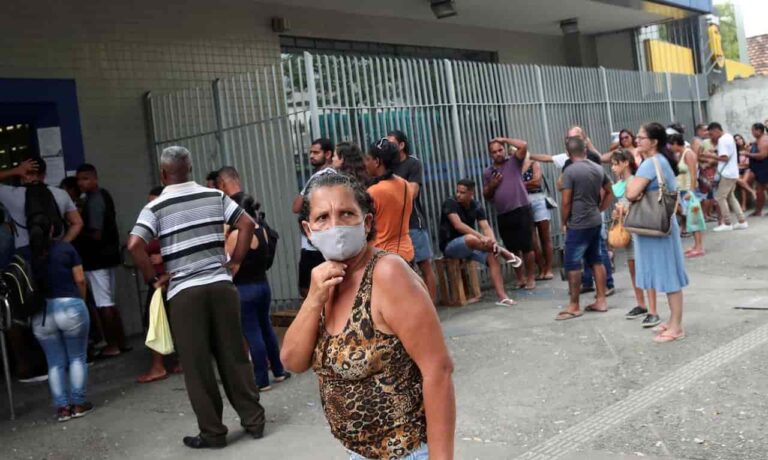
Image: Agência Brasil/ EBC