Advertisements
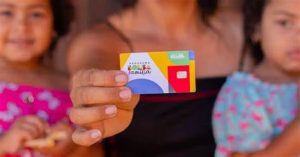
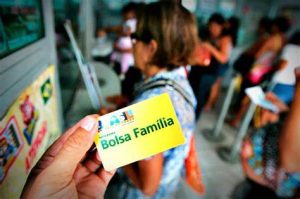
Bolsa Família operates as an initiative of the Brazilian government, primarily aimed at combating poverty and promoting the social inclusion of vulnerable families.
During the previous seven months, the active search for vulnerable families led to the addition of 2.39 million families to the program, according to figures from the Ministry of Social Development and the Fight Against Hunger.
Active Search Initiative: Identifying Eligible Families
Read also:Bolsa Família: Special Pix: Receive Transfers Above R$ 1,000 with These CPFs
To expand the reach of Bolsa Família, the government implemented the active search strategy. Social workers work to locate families that fit the program's profile but still do not receive the benefit.
This action became essential for integrating those in severe vulnerability into the program.
Current Bolsa Família Data
Today, Bolsa Família benefits 21.45 million families throughout Brazil. For October, the government plans to distribute R$ 14.67 billion, with an average amount of R$ 688.97 per benefit. Additionally, an extra R$ 14 million is intended for families of more than 287,000 mothers of newborn babies.
Updates to the Cadastro Único
To access Bolsa Família funds, families must keep their information updated in the Cadastro Único, reporting the addition of new members. Keeping this information up to date is vital to ensuring adequate assistance.
Early Childhood Benefit: Support for Children from Zero to Six Years Old
The Early Childhood Benefit is a segment of Bolsa Família focused on providing support to children between zero and six years old. In October, this assistance will reach 9.58 million children, with an additional R$ 150 for each.
Programs Focused on Pregnant Women and Minors
Bolsa Família not only includes the Early Childhood Benefit, but also maintains specific programs for pregnant women and young people. This month, R$ 30 million will be allocated to 632,500 pregnant women, and an additional amount of R$ 723 million will benefit 15.62 million young people from seven to nearly 18 years old.
Women and Black People in Bolsa Família
According to the Ministry of Development, in October, 32.6 million women benefited from Bolsa Família, representing 58% of the total beneficiaries. Considering heads of household, 82.9% are women. It is worth noting that the program covers more than 41 million Black or mixed-race beneficiaries, that is, 73% of the total.
Bolsa Família Reformulation
The Benefit underwent changes in March, introducing new benefits and criteria. With the introduction of the Early Childhood Benefit in June, pregnant women and young people from seven to 18 years old began receiving R$ 50, while each family member receives R$ 142, regardless of age.
Transition Rule: Income Support and Remaining in the Program
Under the Transition Rule, if a family finds employment and increases its income, it may still remain in the program for up to two years, provided that each member receives up to half the minimum wage (R$ 660).
Read also:See the Bolsa Família payment schedule for November
This rule is intended to provide a period of adjustment and support if the family experiences a loss of income after this period.
Support for Mothers of Babies
In October, the government introduced a R$ 50 benefit for mothers of babies up to six months old. This initiative seeks to assist mothers during this vital period of childcare.
The Benefit serves as a pillar of social inclusion, supporting millions of vulnerable families. Through active outreach, the government can identify and assist families that meet the program's criteria but have not yet received the aid.
With reforms and new benefits, Bolsa Família aims to support the most disadvantaged families, improving their quality of life and reducing social inequality in Brazil.