Advertisements
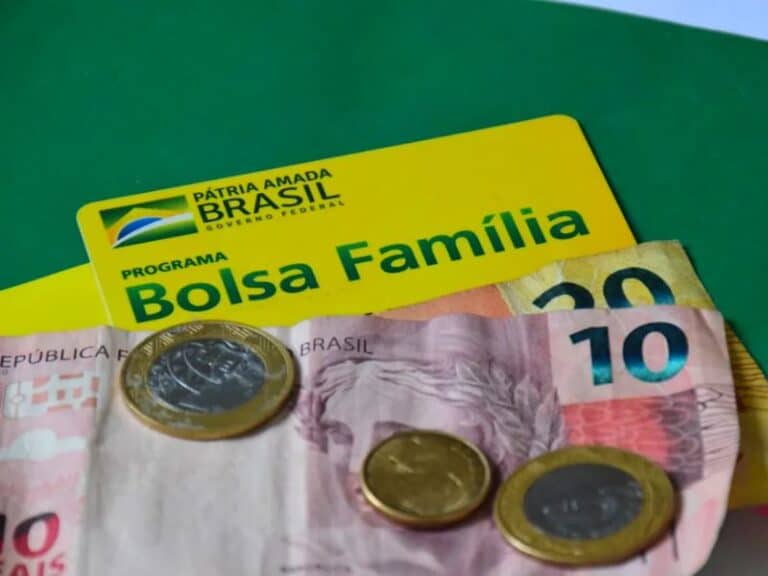
Bolsa Família represents Brazil's main assistance program, providing financial support to countless families in vulnerable situations. To access this benefit, it is necessary to register with the Cadastro Único (CadÚnico), and it is essential to ensure that all the information provided is up to date and aligned with the family's actual situation.
Given this, the Ministry of Development and Social Assistance, Family and Fight Against Hunger (MDS) launched an initiative this year called “active outreach”. This action aims to review the records of Bolsa Família participants, where certain circumstances may result in removal from the program.
The initiative of active outreach for the Benefit aims to refine participant records and detect possible inconsistencies. In this context, the federal government examines the information in CadÚnico in detail, comparing these data with other databases to confirm their authenticity.
Read also: Bolsa Família: New loan options available through Caixa Tem
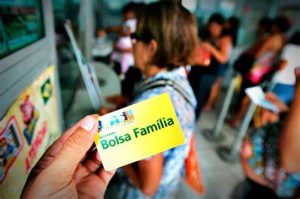
Certain agents may visit the homes of Bolsa Família participants. See more details below.
Bolsa Família home inspections
The practice of household inspections for Bolsa Família began in March of this year, with no defined end date. This in-person verification stage involves visits conducted by municipal representatives or representatives of the Social Assistance Reference Centers (CRAS) to program registrants, in order to validate the family structure.
It is vital to emphasize that not all Bolsa Família members will face these visits. Therefore, the government conducts this direct inspection in two scenarios: for those who live in places that are difficult to access and for families whose registration information contains inconsistencies.
If the government detects incorrect information during the visit, it will suspend Bolsa Família assistance until the irregularity is corrected.
The Bolsa Família active search initiative is a federal government strategy to ensure that program resources reach families who genuinely need them, and also to uncover possible misuse.
The government is concerned about inadequate registrations of individual families. This is because many applicants who already belong to a family unit register as an individual unit, receiving the benefit twice.
Program criteria
In addition to registration irregularities, Bolsa Família applicants may have their benefit canceled if they fail to comply with certain guidelines. Although income is the main selection factor, there are other criteria that were added after the program was restructured, having been renamed Auxílio Brasil during Jair Bolsonaro's administration. In light of this, certain behaviors may lead to removal from the program. One example is the school attendance required for young beneficiaries.
Read also: Restructuring of Bolsa Família? Understand the changes with the current MP
Therefore, the Ministry of Education clarifies that granting the Benefit is tied to a minimum school attendance rate of 85% for children and adolescents between 6 and 15 years old and 75% for young people aged 16 and 17.
As a result, several families are at risk of losing the Benefit. According to information from the Secretariat of Continuing Education, Literacy and Diversity (Secad) of the MEC, approximately 493,000 program beneficiaries have insufficient school attendance.