Advertisements
Learn about the criteria for accessing the Continuous Cash Benefit (BPC) and how this program works.
The BPC is an assistance benefit established by the Organic Social Assistance Law (LOAS) and aims to ensure a minimum income for groups in vulnerable situations. Unlike retirement benefits, the BPC does not require contributions to the INSS.
In this article, we will clearly and objectively present the fundamental requirements to be eligible for this assistance benefit. Check them out below:
Who is entitled to the BPC?
The BPC is intended for people in socially vulnerable situations, such as individuals aged 65 and over and people with physical or mental disabilities, regardless of age. It is necessary to prove disabilities that prevent full participation in society. It is important to note that you do not need to have contributed to Social Security to apply for this benefit.
Single Registry: an essential step
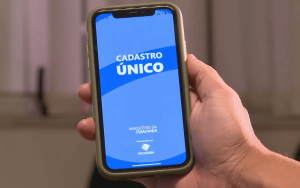
To receive the BPC, completing the Cadastro Único (CadÚnico) is mandatory. The beneficiary must register at the Social Assistance Reference Center (CRAS) or at the city hall. During the process, it is essential to provide the CPF of all family members, including children and adolescents.
Being registered in the Cadastro Único is an essential requirement for receiving the BPC. If the benefit is blocked, it is necessary to contact the INSS and regularize the situation in the Cadastro Único within 30 days.
Per capita income: determining criterion
One of the criteria for being entitled to the BPC is that the monthly family income per person (per capita) be equal to or less than 1/4 of the current minimum wage, currently corresponding to R$ 1,320.00. To calculate the per capita income, it is necessary to divide the family's total income by the number of members of the family unit.
In 2023, each person in the family must receive a maximum of R$ 330.00 per month, or the family's total income divided by the number of members must be equal to or less than this amount.
How does the BPC work for people with disabilities?
For people with disabilities, proof of incapacity through a medical examination conducted by the INSS is required. In addition, a variety of illnesses allow access to the BPC. Some of the illnesses that guarantee the right to this benefit are: mental alienation, severe heart disease, blindness, radiation contamination based on the conclusion of specialized medical professionals, and active tuberculosis.
Important considerations: stay alert!
The BPC beneficiary may engage in paid work; however, this may lead to the suspension of the assistance benefit during the employment period. In addition, the BPC cannot be combined with social security benefits, and the same person cannot receive the benefit more than once.