Advertisements
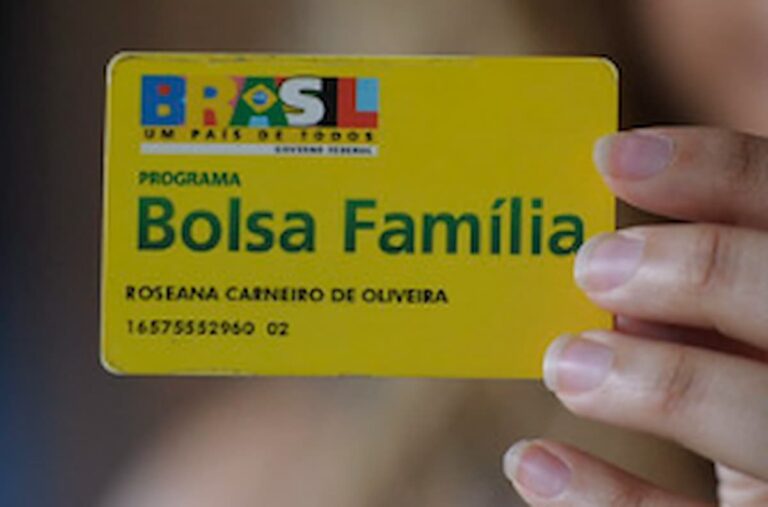
Bolsa Família is a social assistance program of the Brazilian government, intended for families living in poverty and extreme poverty. To find out whether you are eligible for this benefit, it is essential to understand the eligibility criteria and the steps required for registration.
First, it is essential to be registered with the Cadastro Único para Programas Sociais do Governo Federal (CadÚnico). This registry is the gateway to several social programs, including Bolsa Família. Interested families must ensure that their information is up to date in CadÚnico, especially if there are changes in household composition or socioeconomic status.
See More: Discover installment-based PIX
Bolsa Família eligibility criteria
To qualify for Bolsa Família, the family must meet certain income criteria. Families in extreme poverty, with a monthly income of up to R$ 89.00 per person, and families living in poverty, with an income between R$ 89.01 and R$ 178.00 per person, provided they include pregnant women, nursing mothers, children, or adolescents between 0 and 17 years old, are eligible.
Additionally, the user must keep their registration up to date every two years or whenever significant changes occur in the family. To ensure the continued receipt of the benefit, families must meet conditions such as keeping the vaccination records of children under seven up to date, receiving nutritional monitoring for children and pregnant women, and maintaining a minimum school attendance rate of 75% for school-age children and adolescents.
Payment schedule and access to the benefit
Once the family qualifies for Bolsa Família, the benefit is paid according to a payment schedule established by the government. This schedule takes into account each beneficiary’s Social Registration Number (NIS). Payment dates vary each month as determined by the Ministry of Citizenship. It is important to monitor this schedule to know when the benefit will be available for withdrawal. Bolsa Família represents important support for millions of Brazilian families, contributing to poverty reduction and the promotion of food and nutritional security.