Advertisements
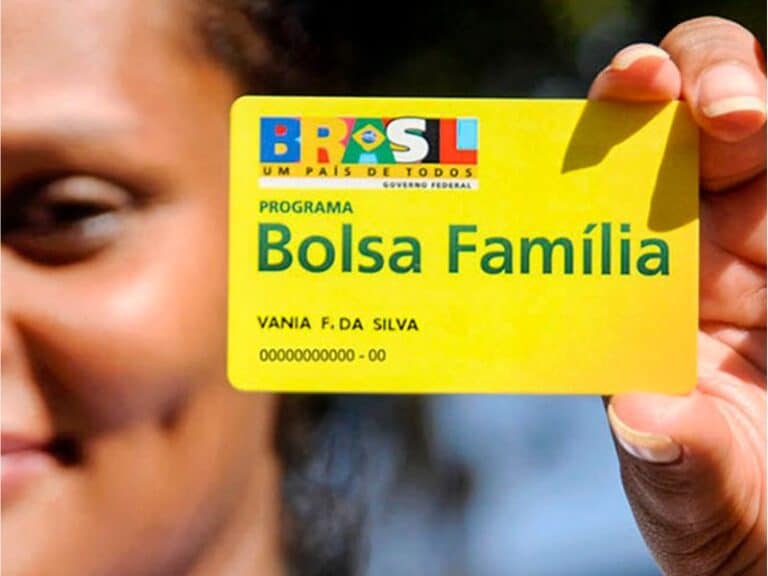
Bolsa Família, a crucial social program, continuously plays an essential role in the lives of many people, providing significant support for families in delicate socioeconomic conditions.
As new details about Bolsa Família in 2024 begin to emerge, the focus is on the potential innovations and benefits that this program may offer its beneficiaries.
Therefore, on the last day of August, the Federal Government took the initiative to forward a budget proposal for the program for evaluation at all legislative levels.
Everyone is eagerly awaiting this proposal, as it may introduce significant changes to the program, such as revisions to benefit amounts and eligibility criteria.
It is important to note that Bolsa Família currently provides a basic aid of R$ 600 per family, a benefit that often affects the subsistence and comfort of these households.
Additionally, adjustments may occur based on the family structure of each beneficiary. Thus, the amounts may be considerably higher.
As data on the program in 2024 becomes clearer, it is vital to stay updated. With rumors circulating, many beneficiaries are uneasy about the amounts allocated to the program for the coming year.
To clarify these questions, we have prepared this text. So, stay with us to learn more.
What did the Annual Budget Bill (PLOA) establish regarding Bolsa Família 2024?
Read also: Restructuring of Bolsa Família? Understand the changes with the current MP
First of all, it is worth mentioning that President Lula has emphasized his commitment to adjusting the benefit amounts in a manner similar to the minimum wage.
However, for the following year, the Annual Budget Bill (PLOA) did not allocate specific funds to increase payments under the Bolsa Família program. This financial gap raises questions about the implementation of this adjustment.
The president's strategy is to use inflation from the last 12 months to determine the increase. This would ensure that the purchasing power of the benefits is maintained over the years.
The president still considers the performance of the Gross Domestic Product (GDP) for possible adjustments, should there be growth. This could provide an increase to beneficiaries, aligning Bolsa Família with national economic progress.
However, the implementation of these plans will depend on how the government intends to allocate resources to support the costs of the adjustment, especially in a complex budgetary environment.
Closely monitoring future developments and decisions will be essential to understand how the president plans to fulfill this significant campaign promise.
Bolsa Família Amounts
Initially, it is crucial to understand that the amount provided by Bolsa Família is adjusted according to the family's composition. Basically, all beneficiaries receive a standard amount of R$ 600.
To this base amount, sums are added according to the children's ages and the status of pregnant and breastfeeding women.
- Families with children between 7 and 11 years old and adolescents between 12 and 18 years old receive an additional R$ 50;
- Those with pregnant and breastfeeding women also receive an extra R$ 50;
- There is also an additional R$ 150 for families with children up to six years old.
Current program eligibility criteria
Read also: Bolsa Família announces the introduction of debit cards to facilitate payments
Bolsa Família was primarily designed to ensure food and education for families in vulnerable situations.
To qualify for this essential assistance, families must meet certain requirements, the main one being a monthly per capita income of up to R$ 218.
The program, however, is not limited to financial support. Bolsa Família beneficiaries must also meet certain commitments aimed at the well-being of their members and the sustainable growth of the community. These include:
- Adequate medical monitoring for pregnant women aimed at maternal and child health;
- Complete vaccination for children, promoting health;
- Nutritional monitoring for children under 7 years old, ensuring adequate nutrition;
- Maintaining school attendance for children aged 4 to 5 (minimum of 60%) and aged 6 to 18 (minimum of 75%);
- Frequent updates to the Cadastro Único to efficiently assist families.
In summary, Bolsa Família transcends mere financial support, emphasizing the health, education, and socioeconomic progress of its beneficiaries. In this way, it helps reduce inequalities and improve the lives of communities in vulnerable situations.